What is AFT? How to Treat AFT?
What Is a Canker Sore (AFT)? How Does It Heal?
Small, round, white sores inside the mouth can cause significant discomfort. They may hurt when eating, speaking, or even moving your mouth slightly. Commonly known as canker sores or AFT (Aphthous Stomatitis), these lesions are usually harmless but very irritating. Some people experience them a few times a year, while others suffer from chronic recurrences.
But what exactly causes these small yet painful sores? How do they heal? And more importantly, how can you prevent them from coming back?
Let’s start by understanding what a canker sore really is.
What Does AFT Mean?
AFT refers to a superficial, painful, and usually round mucosal lesion inside the mouth. Medically termed aphthous stomatitis, it represents a form of non-infectious inflammation in the oral mucosa. It is not contagious and not caused by viruses or bacteria.
How is AFT defined?
Canker sores are typically described by the following characteristics:
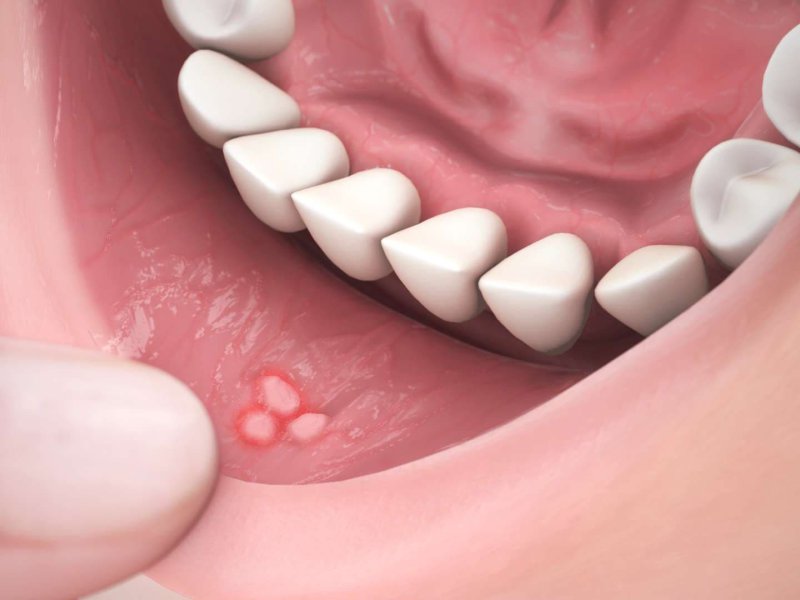
Color: White or yellowish center with a distinct red halo
Shape: Round or oval
Size: Ranges from 1 mm to 1 cm
Location: Most common on the inner cheeks, lips, tongue sides, and soft palate
AFT lesions usually appear as single sores, though some individuals may develop multiple at once. In most cases, they heal spontaneously within 7–10 days.
Is AFT a disease?
No. AFT is not a disease but a symptom. It can sometimes signal immune-related conditions, but in most cases, it occurs without any underlying systemic disease. These are classified as minor canker sores.
One of the key differences from other mouth lesions is that AFT is not contagious. It should not be confused with cold sores (herpes), which are caused by viruses.
What Does a Canker Sore Look Like and Where Does It Appear?
Canker sores usually appear as small, oval or round ulcers with pain. The center often has a grayish-white membrane, surrounded by a red inflammatory ring. They’re easily noticeable with the naked eye.
Key physical features of AFT:
| Feature | Description |
|---|---|
| Color | White-yellow center with red borders |
| Shape | Round or oval |
| Size | Typically 2–5 mm, can reach up to 1 cm |
| Number | Single or multiple (especially in recurrent cases) |
| Pain Level | Mild to severe discomfort |
| Surface | Flat, superficial, not raised |
Where do canker sores usually occur?
These ulcers only appear inside the mouth, especially on non-keratinized soft tissues. They are rare on the hard palate or gums.
Common sites include:
Inner cheeks (buccal mucosa)
Inner lips
Sides and underside of the tongue
Soft palate
Near the gum line
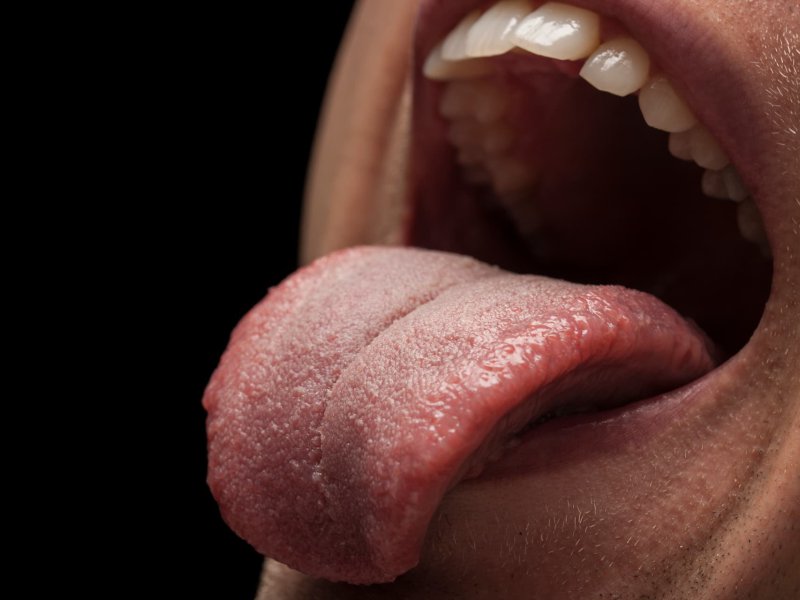
Canker sores are rare on the tongue surface or throat. If found there, differential diagnosis is needed as they could indicate another condition.
Do different types of AFT look different?
Yes. The appearance and severity of AFT depend on its type:
Minor AFT: Small, shallow, usually singular. Heals in 7–10 days.
Major AFT: Larger, deeper, and can take up to 3 weeks. May leave a scar.
Herpetiform AFT: Appears as clusters of small sores. Often widespread and multiple.
What Causes AFT?
In most cases, the exact cause of canker sores is unknown. However, research suggests that environmental, nutritional, and immune-related factors play a major role. AFT is often a signal from the immune system rather than a disease on its own.
What are the main causes of AFT?
AFT triggers can be grouped into three categories:
1. Physical and chemical trauma
Brushing too hard, injuring the inside of the mouth
Eating sharp or rough foods
Irritation from braces or dentures
Toothpastes containing SLS (sodium lauryl sulfate)
2. Nutritional deficiencies
Vitamin B12 deficiency – directly linked to AFT
Folic acid (folate) deficiency
Iron deficiency – increases mucosal sensitivity
Low levels of zinc or vitamin D – weakens mucosal immunity
3. Immune and genetic factors
Family history of AFT (genetic predisposition)
Autoimmune diseases (e.g., Behçet’s, celiac disease, lupus)
High stress or anxiety – disrupts immune balance
Hormonal changes – especially before menstruation in women
Is AFT caused by an infection?
No. Canker sores are not caused by bacteria or viruses. Unlike cold sores (herpes), they are not contagious. However, they may result from an overactive immune response, where the body mistakenly attacks healthy mucosal tissue.
Other common AFT triggers:
| Trigger | Effect |
|---|---|
| Food allergies | Especially to chocolate, tomatoes, nuts, vinegar, citrus |
| Hormonal fluctuations | More common before menstruation in women |
| Irregular sleep | Weakens immunity, increases AFT risk |
| Quitting smoking | May lead to mucosal sensitivity during adaptation |
| Gastrointestinal diseases | Linked to Crohn’s and ulcerative colitis |
Who Is More Likely to Get Canker Sores (AFT)?
Canker sores (AFT) can appear at any age and in both genders. However, they occur more frequently and tend to recur in certain groups. Factors like family history, age, gender, and certain health conditions increase the risk of AFT.
Who gets AFT most often?
Young adults (ages 10–30): This is the most commonly affected age group. Immune fluctuations after puberty and lifestyle-related stress may trigger sores.
Women: Due to hormonal cycles, women are more prone to AFT, especially just before menstruation.
People with a family history: Those with relatives who have recurrent AFT are at higher risk.
People with autoimmune diseases: Conditions like Behçet’s disease, celiac disease, or lupus may cause recurring sores.
Non-smokers: Interestingly, smokers tend to develop fewer canker sores. This may be due to the thicker oral mucosa caused by smoking. However, quitting smoking may increase the frequency temporarily.
Are canker sores recurrent?
Yes. Especially in young adults and individuals with immune sensitivity, canker sores can occur multiple times per year. This is known as Recurrent Aphthous Stomatitis (RAS).
Risk factors table:
| Risk Factor | Effect |
|---|---|
| Genetic predisposition | Around 40% of cases have a family history |
| Female gender | More frequent due to hormonal changes |
| Stress and poor sleep | Suppresses immune function, creating a risk for AFT |
| Allergies | May be associated with food sensitivities |
| Gastrointestinal diseases | Strongly associated with Crohn's disease and celiac disease |
AFT is rarely caused by a single factor. It usually results from a combination of genetic, environmental, and systemic influences. If symptoms begin in childhood, a genetic cause should be considered.
How Long Does AFT Pain Last?
Pain from canker sores usually starts right after the sore appears and gradually decreases as healing progresses. For many people, pain is the most bothersome symptom because it affects eating, talking, and even small mouth movements.
How many days does AFT pain last?
Pain typically lasts 3 to 5 days. Some sensitivity may remain until the sore fully heals. The table below summarizes the pain process by day:
| Day | Stage | Pain Level |
|---|---|---|
| Day 1 | Sore appears, stinging and sensitivity begin | Moderate |
| Days 2–3 | Inflammation peaks, pain is most intense | Severe |
| Days 4–5 | Sore begins to shrink | Pain decreases |
| Days 6–10 | Sore heals completely | None or minimal |
When do canker sores fully heal?
Minor AFT usually heals within 7–10 days without treatment.
Major AFT, which is deeper and larger, may take up to 3 weeks to heal and could leave a scar.
What makes AFT pain worse?
Acidic, salty, or spicy foods
Brushing over the sore
Hot beverages
Frequent talking or chewing
These factors can irritate the sore, prolong healing, and intensify discomfort. Using antiseptic rinses or topical anesthetic gels may help reduce pain.
How Do Canker Sores Heal?
Most canker sores heal on their own. However, to relieve pain, speed up healing, and improve comfort, several treatment options are available. The approach depends on the type and severity of the sore.
What are the most effective treatments for AFT?
These methods help manage pain and accelerate recovery:
1. Topical treatments
Corticosteroid gels (e.g., triamcinolone acetonide): Reduce inflammation and speed up healing
Antiseptic mouthwashes: Maintain oral hygiene and lower infection risk
Topical anesthetic sprays/gels (e.g., lidocaine): Provide temporary pain relief
2. Vitamin and mineral supplements
Vitamin B12
Folic acid
Iron
These should only be taken under medical supervision if lab tests show a deficiency.
3. Oral hygiene practices
Use SLS-free toothpaste (Sodium Lauryl Sulfate can irritate mucosa)
Brush gently with a soft-bristled toothbrush
Avoid acidic or irritating foods
4. Advanced treatments (for severe or recurring cases)
Laser therapy: Low-level lasers applied to the sore may speed healing
Systemic medications: In frequent or large sores, doctors may prescribe immune-modulating drugs such as colchicine
Which treatment works best for which situation?
| Condition | Recommended Approach |
|---|---|
| Mild, single sore | Corticosteroid gel + antiseptic rinse |
| Moderate, recurring AFT | Vitamin supplements + topical therapy |
| Severe or major AFT | Systemic treatment by a dermatologist or dentist |
Early treatment is key. Starting therapy in the first few days reduces pain duration and speeds up healing.
Is Home Treatment for Canker Sores Possible?
Yes. For mild and minor AFT, several home remedies can provide symptom relief and support healing. However, home treatment alone may not be sufficient for larger or frequently recurring sores.
Effective home remedies:
Saltwater rinse
Mix 1 teaspoon of salt in a cup of warm water. Gargle twice a day to cleanse the mouth.
Baking soda rinse
Balances oral pH. Mix 1 teaspoon of baking soda in half a cup of water and rinse.
Apply honey
Has natural antibacterial and healing properties. Dab directly on the sore several times a day.
Chamomile tea compress
Known for its calming and anti-inflammatory effect. Apply cooled tea with cotton to the sore.
Coconut oil
Natural antimicrobial. Apply a thin layer to the affected area.
Which home treatments should be avoided?
Some popular remedies can worsen the sore or damage oral tissue:
| Method | Risk |
|---|---|
| Applying vinegar or lemon | May burn the sore and increase irritation |
| Rubbing toothpaste on sore | Can cause further irritation |
| Pressing garlic on sore | Risk of chemical burns to mucosal tissue |
While home remedies can support healing, they are not a substitute for medical care. If the sore doesn’t heal within 7 days or keeps coming back, consult a healthcare provider.
When Should You See a Doctor?
Most canker sores are harmless and heal on their own. However, certain signs may indicate an underlying condition and require professional evaluation.
Symptoms that require medical attention:
Sore lasts more than 14 days
Typical healing time is 7–10 days. Longer duration may point to a systemic issue.
Sores larger than 1 cm
Could be a major canker sore. Deep lesions may scar and require specialist care.
Multiple sores in different areas
May be herpetiform AFT or linked to immune disorders.
More than four recurrences per year
Known as Recurrent Aphthous Stomatitis (RAS). Requires monitoring and possibly further testing.
Difficulty swallowing, high fever, or swollen lymph nodes
May indicate a systemic infection or other condition.
Sores outside the mouth (eyes, genitals, skin)
Could signal a systemic illness like Behçet’s disease.
Which doctor should you see?
| Symptom | Specialist to Consult |
|---|---|
| Long-lasting or recurring AFT | Dermatologist or oral health specialist |
| Systemic symptoms (fever, fatigue) | Internal medicine (general physician) |
| Sores in mouth, eyes, and genitals | Rheumatologist or immunologist |
Even a small oral sore may be the first sign of a serious disease. Chronic or unusual lesions should always be evaluated by a professional.