
What is Oral and Dental Health and How Does it Affect Overall Body Health?
Oral and dental health is the state of complete functional and structural well-being of the teeth, gums, and all tissues within the mouth, free from pathological conditions.
This concept encompasses not only the absence of cavities but also the painless and efficient performance of vital functions such as chewing, speaking, and swallowing.
The oral cavity is the body's gateway to the outside world and serves as the starting point of the digestive system. Based on my 20 years of experience as a physician, I must emphasize that when oral health deteriorates, bacterial infections can spread through the circulatory system to distant organs such as the heart, kidneys, and joints, triggering systemic disorders. Therefore, oral and dental health is a fundamental health parameter that determines an individual's quality of life.
Structure of the Mouth

This image presents a detailed anatomical diagram of the human oral cavity, also known as the mouth. The oral cavity is the first part of the digestive system and plays a vital role in chewing, tasting, and speaking. The diagram shows the various structures within the mouth, including the lips, teeth, tongue, and palate, with clear labels for each section.
- Upper Lip: The upper lip, or labium superius, is one of the two fleshy folds surrounding the mouth. It plays a role in the formation of some sounds during speech, in holding food in the mouth, and is an erogenous zone. The upper lip is attached to the gum by a fold of tissue called the superior labial frenulum and is an important component of facial expression.
- Lower Lip: Similarly, the lower lip, or labium inferius, forms the lower border of the mouth. Like the upper lip, it plays a role in speech, holding food, and expressing emotions. The lower lip is attached to the lower gum by the inferior labial frenulum. Tongue-Tie (Frenulum): The tongue-tie (frenulum) is a small fold of mucous membrane that restricts the movement of a mobile organ. The superior labial frenulum connects the upper lip to the upper gum, while the inferior labial frenulum connects the lower lip to the lower gum. Another tongue-tie (lingual frenulum) fixes the tongue to the floor of the mouth.
- Upper Teeth: The upper teeth are located in the maxilla, the upper jawbone. An adult typically has 16 upper teeth, which are classified as incisors, canines, premolars, and molars. These teeth work together to cut, tear, and grind food.
- Central and Lateral Incisors: The four front teeth in the upper jaw are called central and lateral incisors and are characterized by their sharp, chisel-like edges. Their main function is to cut and bite food. Humans have two central incisors and two lateral incisors in each jaw. Incisors
- (Canine Teeth): Next to the incisors are the canines; these teeth are also called eye teeth. Their pointed shape makes them ideal for crushing food. There are two canines in the upper jaw and two in the lower jaw.
- Premolars (Premolars): Front molars, or premolars, are located behind the canines. They have a flatter chewing surface with two protruding ridges, making them suitable for both crushing and grinding food. An adult individual has four premolars in their upper jaw.
- Molars (Molars): Molars are the largest and strongest teeth located at the back of the mouth. Their broad, flat surfaces with numerous ridges are designed for grinding and crushing food. There are usually six molars in the upper jaw, including wisdom teeth.
- Lower Teeth (Lower Teeth): Lower teeth are attached to the mandible, the lower jawbone. Similar to the upper jaw teeth, an adult's lower jaw contains 16 teeth: incisors, canines, premolars, and molars. The types and functions of the lower jaw teeth are similar to those of the upper jaw teeth.
- Roof of the Mouth: The roof of the mouth is formed by the palate, which is divided into two parts. The hard palate, located at the front, is a bony structure with transverse palatal folds or rugae that help in processing food. The soft palate, located behind the hard palate, is a muscular structure that closes the nasal passages during swallowing.
- Palate: The soft palate forms two arches on either side of the oral cavity. The glossopalatine arch is the anterior arch extending from the soft palate to the side of the tongue. The pharyngopalatine arch is the posterior arch extending to the side of the pharynx.
- Uvula: The uvula is a small, fleshy, finger-like projection hanging down from the middle of the soft palate. It plays a role in speech by aiding in the pronunciation of specific sounds and helps close the nasopharynx to prevent food and liquids from entering the nasal cavity during swallowing.
- Throat: The throat (fauces), also known as the oropharyngeal isthmus, is the part of the mouth at the back that opens into the oropharynx. It is bounded by the soft palate at the top, the base of the tongue at the bottom, and the palatine arches on the sides. The tonsils (palatine tonsils) are located inside the throat, between the glossopalatine and pharyngopalatine arches.
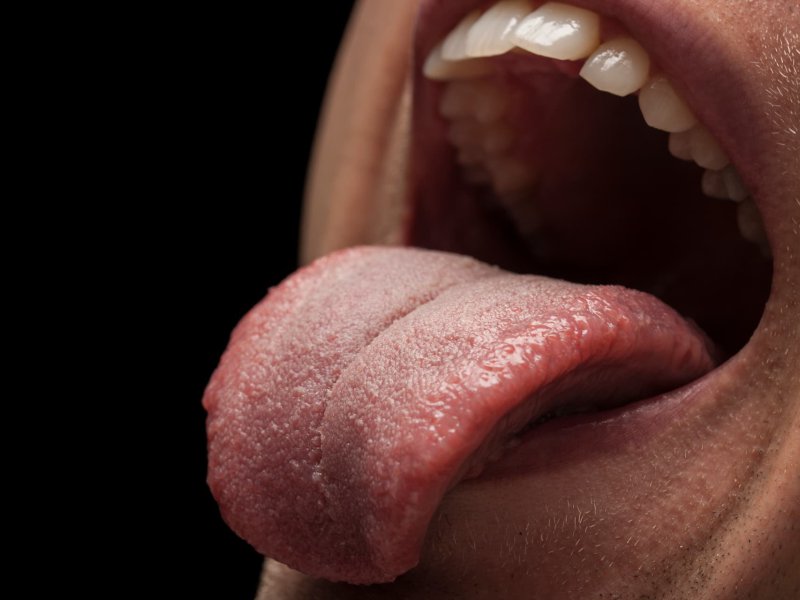
- Tongue: The tongue is a large, muscular organ that occupies a large portion of the oral cavity. It is vital for chewing, swallowing, and speaking. The surface of the tongue is covered with projections called papillae, most of which contain taste buds.
- Lingual Frenulum: The lingual frenulum is a fold of mucous membrane that connects the underside of the tongue to the floor of the mouth. It helps to stabilize the tongue and restricts its movement to some extent. An abnormally short tongue tie can lead to a condition known as tongue tie or ankyloglossia.
- Gums: Gums are the mucous tissue that surrounds the base of the teeth, as they are commonly known. They form a protective layer around the teeth and are firmly attached to the underlying jawbone. Healthy gums are usually pink and firm.
How to Protect Oral and Dental Health and What Should the Ideal Care Routine Be?
Oral and dental health is protected through a combination of a disciplined daily care routine and regular professional check-ups. This process, which we call "preventive dentistry" in dental clinics, is based on intervening before problems even arise. Scientific data shows that plaque buildup hardens into tartar within 24 hours; therefore, the continuity of cleaning is essential. Care performed with the correct technique prevents not only tooth decay but also gum recession and bone loss by 90%.
An ideal oral health protocol should consist of the following basic components:
- Correct Brushing Technique: Teeth should be brushed at least twice a day, at a 45-degree angle to the gum line, with circular and gentle movements for at least 2 minutes.
- Interdental Cleaning: The sides of the teeth that the toothbrush cannot reach should be cleaned of bacterial plaque regularly every day using dental floss or interdental brushes. Tongue and Cheek Cleaning: A large portion of the bacteria that cause bad breath accumulate on the tongue; therefore, tongue cleaning should be included in your brushing routine.
- Choosing Fluoride Toothpaste: Toothpastes containing fluoride, which remineralizes (strengthens) tooth enamel and makes it resistant to acid attacks, should be preferred.
- Regular Dental Checkups: Professional checkups and tartar removal at least twice a year allow for the diagnosis of problems in their early stages that are not visible to the naked eye.
Maintaining oral hygiene is the most critical step in protecting overall health.
How Should Your Diet Be for Oral and Dental Health, and Which Foods Are Tooth-Friendly?
Nutrition for oral and dental health involves consuming foods that protect the mineral structure of tooth enamel and optimize the pH balance in the mouth. Our dental clinical data shows that not only the content but also the physical structure of the foods consumed directly determines dental health. Foods that accelerate saliva flow and provide acid neutralization create a natural cleaning mechanism, preventing the formation of cavities. A diet rich in calcium, phosphorus, and fluoride, in particular, supports the remineralization (re-hardening) process of tooth enamel.
To protect your dental health, you should prioritize the following categories in your diet:
- Milk and Dairy Products: Foods like cheese, yogurt, and milk contain high levels of calcium and phosphate; cheese also reduces oral acid levels, preventing enamel loss.
- Fiber-Rich Vegetables and Fruits: Hard/fibrous foods like apples, carrots, and celery mechanically clean tooth surfaces during chewing and increase saliva production.
- Green Tea and Natural Polyphenols: Unsweetened green tea, thanks to its catechins, suppresses the growth of harmful bacteria in the mouth.
- Water Consumption: Water removes food particles and, with its fluoride content, provides essential protection against acid attacks on tooth enamel.
What Are the Most Common Dental and Gum Diseases?
The most common dental and gum diseases are classified as tooth decay, gingivitis (initial gum inflammation), and periodontitis (advanced gum disease). The vast majority of cases we encounter in clinical settings stem from inflammatory processes resulting from the inability to remove bacterial plaque from the tooth surface. If left untreated, these diseases permanently damage not only the oral tissues but also the supporting bone tissue surrounding the teeth. Early diagnosis is the most critical step in stopping these diseases and preventing tooth loss.
The most frequently observed oral and dental diseases in society are:
- Tooth Decay (Caries): Acids formed as a result of the interaction of sugary and acidic foods with bacteria erode tooth enamel, leading to tissue loss.
- Gingivitis: A reversible initial stage inflammation characterized by red, swollen gums and bleeding during brushing.
- Periodontitis: A serious infection where inflammation spreads from the gums to the bone, causing teeth to loosen and eventually fall out.
- Tooth Sensitivity: Sharp pain caused by direct exposure to hot and cold stimuli to nerve endings when enamel erodes or gums recede.
- Bad Breath (Halitosis): Chronic odor caused by cavities, gum disease, or sulfur gases released by bacteria accumulating on the tongue.